by AdvancedSeal
Share
by AdvancedSeal
Share
Start With Simple Tests
Before we talk solutions, we need to confirm what is driving that stubborn chill. Cold spots usually come from two forces working together: missing or compromised insulation and uncontrolled airflow. On a breezy day, walk into the problem room and use the back of your hand near outlets, baseboards and the attic hatch. If you feel movement, outside air is sneaking through the assembly. Touch the exterior wall or the ceiling below the attic. If those surfaces feel noticeably colder than the room air, heat is escaping by conduction. You can also try a smoke test with an incense stick. A sideways pull in the smoke reveals leakage paths. These quick checks tell us whether to prioritize sealing, insulation or both.
Fix The Usual Suspects
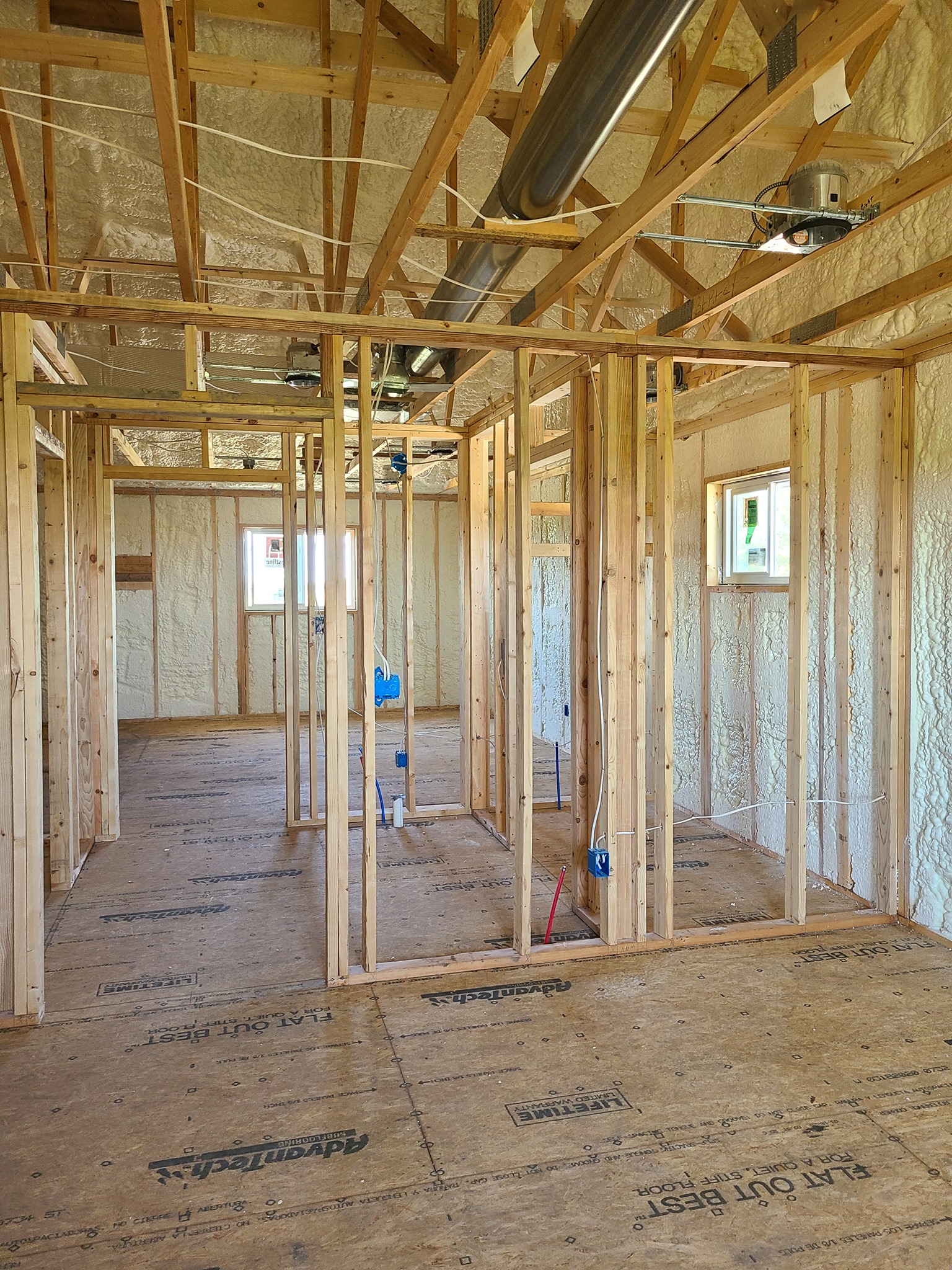
Most cold rooms trace back to the top of the house or the perimeter band. The stack effect pushes warm air up through gaps at top plates, can lights and plumbing chases, then pulls cold air in at the rim joist. When we fix the cold spot, we seal the air leaks first so any new insulation can actually work. Our crews address the top plane with targeted sealing and the right R-value so heat stays where you paid to put it. At the bottom of the house, we seal the rim joist and any crawl space connections that feed drafts back into the living space. Airflow control is not optional.
Rooms Over Garages and Bonus Spaces
If your cold spot sits over a garage, the floor system is almost always the culprit. Builders often install thin batts without an air barrier, which lets wind race through the joists every time the garage door opens or outdoor temps swing. We insulate that cavity to the correct thickness and create a continuous air seal so the floor stops bleeding heat. We also block air transfer between garage and living space for safety and comfort. This same approach helps knee walls, dormers and additions that never matched the rest of the home. When needed, we pair floor work with sealing at the attic boundary feeding the same room. That two-front strategy stabilizes temperature, cuts noise and reduces the short cycling that makes the furnace work harder than it should.
When Removal Comes First
Sometimes the fastest path is to start clean. If the attic above your cold room shows matted batts, rodent debris or moisture staining, the material has already lost performance. Covering it with more insulation just buries the problem. We use contained vacuum extraction to remove contaminated insulation without spreading dust, then seal the plane and reinsulate so you get the full benefit of the upgrade. If the crawl space under a cold room smells musty or shows sagging batts, we take the same approach there. Clean, dry surfaces plus a verified air seal make the improvement stick through Indiana’s humid summers and hard freezes.
What a Professional Fix Looks Like
A proper plan starts with measurements, not guesswork. We confirm assembly depth, map leakage paths, and design a thickness that meets code and your comfort goals. In attics and crawl spaces where foam would otherwise be exposed, we apply the required ignition or thermal barriers so the system is safe and compliant. After we finish, you should feel the difference fast. The thermostat holds steady, the furnace runs quieter and longer instead of short bursts, and the problem room finally matches the rest of the home. If you want us to look at your specific layout, we can evaluate and price options that blend sealing and insulation for the best result.
Explore how we approach whole-home upgrades on spray foam insulation in Indiana.
We fix cold rooms across Carmel, Westfield, Rossville and nearby communities. If you are ready to make that stubborn space comfortable, book an assessment through our contact page. We will confirm the cause, design the right repair and deliver a clean, code-compliant result.
STAY IN THE LOOP
Subscribe to our free newsletter.
Residential buildings—especially those with uneven temperatures, high utility bills or visible drafts—benefit […]
When Indiana homeowners start planning an insulation upgrade, one of […]