by AdvancedSeal
Share
by AdvancedSeal
Share
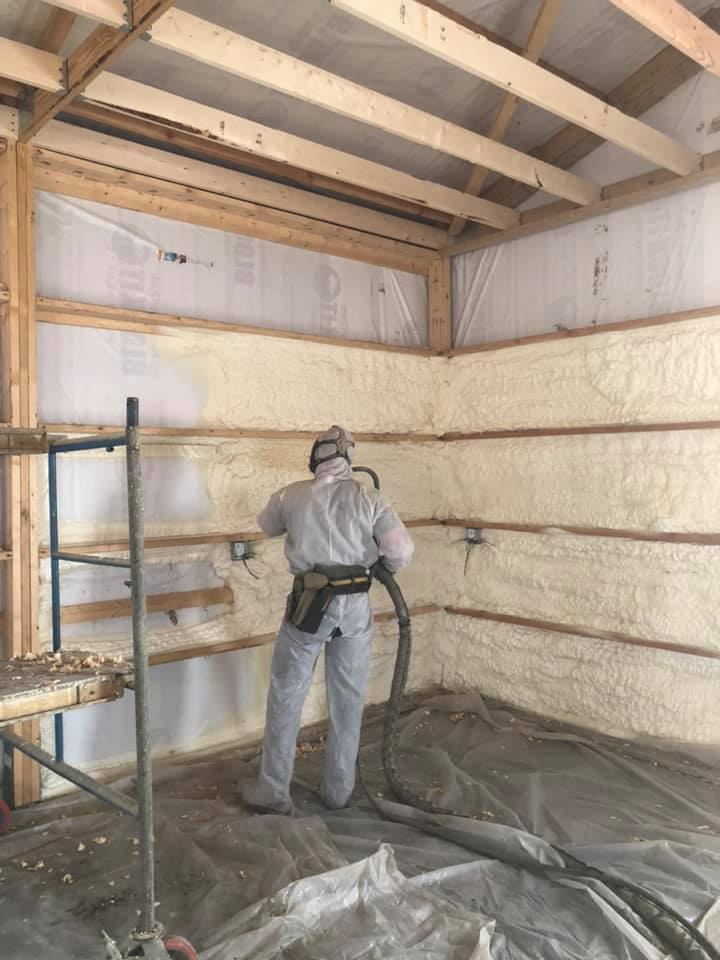
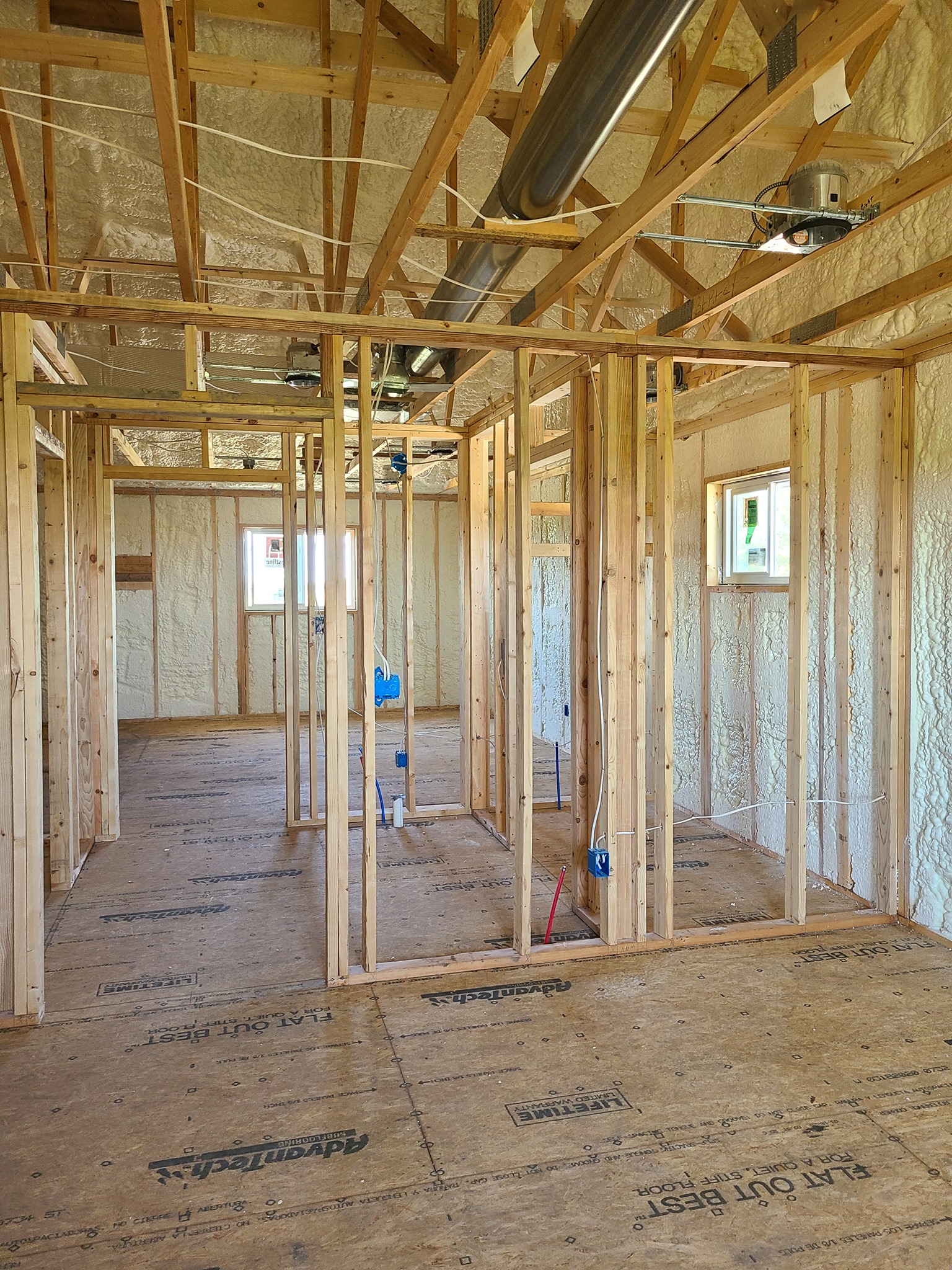
Homeowners ask this because safety covers a few things at once: what happens during installation, how the product behaves after it cures, and how the whole assembly performs in a fire. Spray polyurethane foam is mixed on-site, expands, then cures into a rigid layer that insulates and air-seals. During that brief chemical reaction it releases vapors, which is why professional crews clear the work area, ventilate mechanically and control temperature. After it cures, the foam becomes inert and does not off-gas under normal living conditions.
Is Spray Foam Insulation Safe During and After Installation?
Professional, code-compliant process is the safety engine. Our crews isolate the work zone, protect surrounding finishes, and use calibrated equipment so mix ratios stay within spec. Occupants and pets are kept out until re-entry times are met. Ventilation removes aerosols and smells while the foam cures. Once cured, spray foam becomes part of the structure and does not migrate, slump or shed fibers, which is one reason it’s used in bedrooms, bonus rooms and finished basements statewide. If you want a clear, third-party overview of insulation categories, where they are used and why air sealing matters, the
Fire Protection, Codes and Intumescent Coatings
“Fireproof” is not a promise any material can make. Codes focus on fire resistance and safe egress time, not invincibility. Spray foam must be separated from occupied spaces by approved barriers. In living areas, we typically see drywall acting as a thermal barrier. In attics or crawl spaces where foam would otherwise be exposed, installers apply an intumescent coating that swells under heat to shield the foam from flame, slowing ignition time and smoke development.
We document product data, coverage thickness and wet-mil readings so the assembly meets the manufacturer listing and local code. If a project includes roof or mechanical rooms, we coordinate with inspectors to verify ignition or thermal barrier placement before close-up. That discipline is why properly installed foam systems are considered safe in residential and commercial buildings across Indiana.
Why Contractor Choice Affects Safety Most
Two houses can use the same foam but have very different results. The difference is design and execution. We start with building-specific planning, then apply foam to clean, dry substrates at the right thickness so it bonds and cures as intended. We also address moisture sources that could compromise any insulation, not just foam. That might mean venting a bath fan to the exterior, sealing a roof penetration or removing dirty, damp insulation before spraying. When the building science is handled up front, spray foam delivers its benefits without creating new problems.
How We Prove It on Your Project
Safety isn’t a claim, it’s a checklist. You’ll see a written scope, material safety data, ventilation plan, re-entry timing and documentation of ignition or thermal barriers. After install, spaces smell clean, surfaces are tidy and the thermostat runs steadier because air leakage is finally under control. For a deeper look at products and applications, see our page on spray foam insulation in Indiana. If you want us to review an existing installation or plan a new one, reach us through the contact page. We serve Carmel, Rossville, Westfield and nearby communities, and we’re happy to walk you through our safety steps before we lift a hose.
STAY IN THE LOOP
Subscribe to our free newsletter.
Start With Simple Tests Before we talk solutions, we need to confirm […]
Residential buildings—especially those with uneven temperatures, high utility bills or visible drafts—benefit […]
When Indiana homeowners start planning an insulation upgrade, one of […]